

The Pinnacle: December 2025

December 2 0 2 5 • I S S U E 60

Global Markets: What 2025 Delivered and What It Set Up
Markets navigated divergent trends in 2025. The first half of the year was dominated by escalating trade tensions, as the US raised tariff rates to levels not seen for decades, reviving concerns around inflation, supply chains and global growth. As inflation pressures moderated and policymakers signalled a shift towards easing, market conditions improved in the second half. By December, markets had largely absorbed earlier shocks, and year-end positioning reflected a more balanced and constructive outlook, closing a year that rewarded patience despite pronounced early volatility.
US Markets:
The 3 major US stock indices ended 2025 with strong growth despite short-term dips. The S&P 500 finished the year up 16%, while the tech-heavy Nasdaq climbed 19%. The Dow Jones Industrial Average closed out 2025 up 13%.
U.S. Treasuries led in local currency terms, returning 6.3%, as the Federal Reserve cut rates by 75 basis points in the second half of the year to counter labour market concerns. The feared tariff-driven inflation spike never materialised, and by December annual inflation eased to 2.7%, below the 3.1% expected, signalling cooling price pressures after a period of elevated inflation.
UK Markets:
The UK's FTSE 100 gained 22% this year, marking its best year since 2009, driven by the seasonal “Santa rally” and a broader rotation into value sectors such as mining, defence and financials.
Domestic investors remained cautious: UK equity funds continued to see net outflows in December, though the pace slowed as many shifted toward safer assets and global equities. Inflation eased to 3.2% in November 2025, the lowest in eight months, thanks to moderating energy prices and stabilising food costs, offering households some relief from cost‑of‑living pressures. Still, inflation stayed above the Bank of England’s 2% target, highlighting ongoing challenges for policymakers. Sector performance was uneven, with holiday‑season spending providing a lift, but construction activity and house prices weakened, keeping consumer confidence under strain.
Eurozone:
European equities delivered mixed results in 2025. The MSCI Europe ex‑UK index rose 5.9% in December, but local‑currency returns lagged global peers. Currency shifts reshaped the picture: the US dollar fell nearly 10% in 2025, its steepest drop in decades, while the euro strengthened by 13.3% against the dollar. For euro‑based investors, this translated into 20.4% annual returns, making European equities the top‑performing index. On the macro side, Eurozone GDP growth for Q3 2025 was revised up to 0.3%, and the unemployment rate held steady at 6.4% in October, highlighting a labour market that remains resilient despite ongoing challenges.
Emerging Markets:
Emerging markets capped 2025 with strong gains. The MSCI Emerging Markets Index rose 4.8% in December and delivered 34.4% annual returns in dollar terms. Performance was broad‑based, led by Chinese equities (+31.4%) as advances in domestic AI boosted tech and diversified trade helped exports withstand US tariffs. Indian equities lagged (+4.3%), while commodity‑linked regions also contributed. Emerging market debt added 3% in December, underscoring resilience across asset classes.
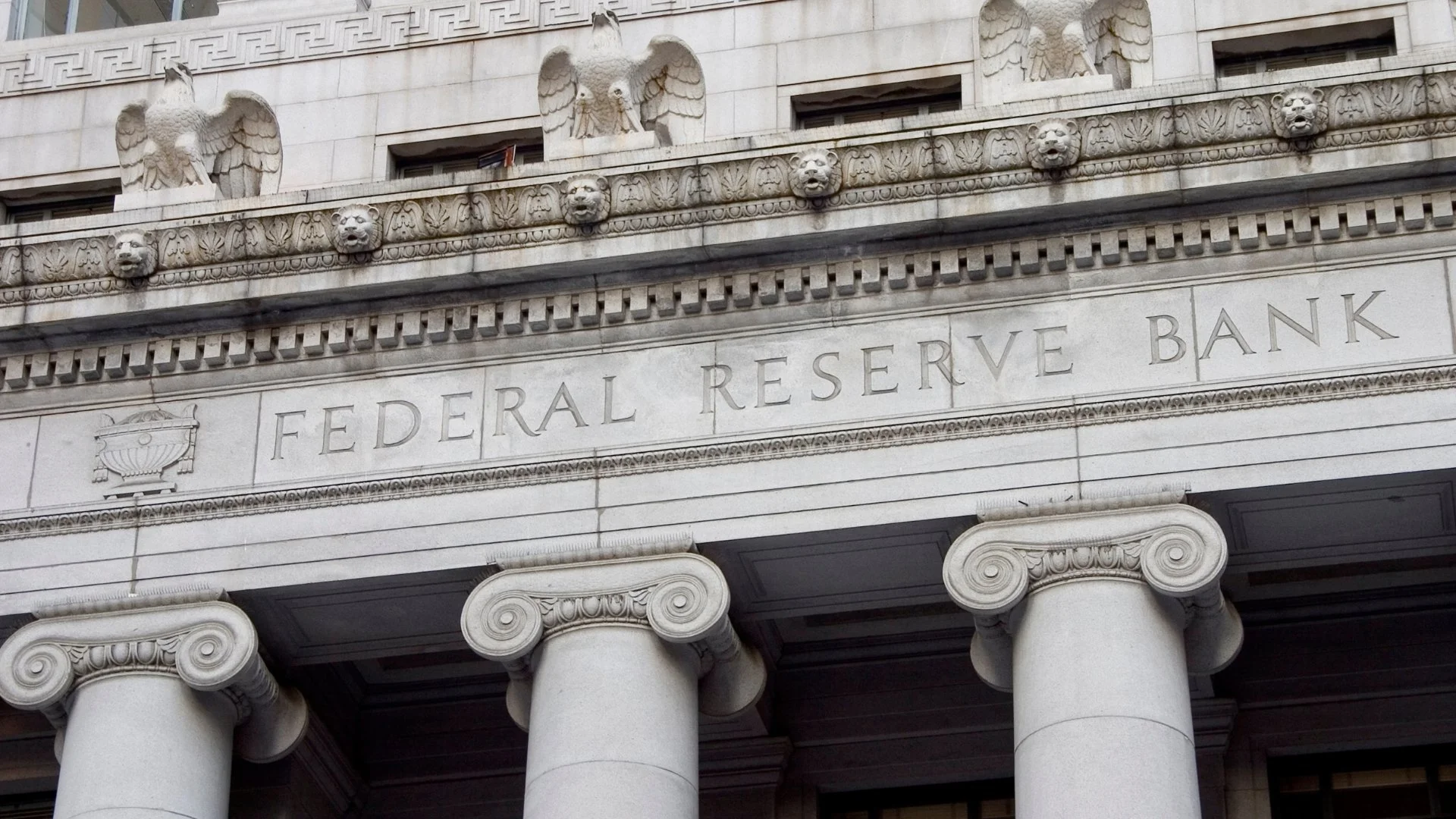
December 2025: Key Market Events That Shaped the Outlook
The Federal Reserve Made Its Third Consecutive Rate Cut:
In December, the Federal Reserve delivered a widely anticipated hawkish cut, lowering its overnight borrowing rate by 25 basis points to a range of 3.5%–3.75%. The move was framed as a measured step to support the labour market while maintaining its commitment to the inflation fight. The decision was not unanimous, three officials opposed, underscoring internal debate over the appropriate degree of easing and caution about the policy path ahead. The Fed also signalled it may be “done for now,” shifting market expectations toward a more restrained outlook on future cuts.
Previously delayed US economic data took centre stage in December after a federal government shutdown disrupted the normal release schedule. The Bureau of Labor Statistics published combined and revised reports covering missed periods, including inflation and labour market data for October and November; notably, October household survey data were not collected, and November unemployment printed at 4.6%. The lack of clean month-by-month comparisons increased uncertainty and amplified the market impact of each release, reinforcing the Fed’s cautious, data-dependent stance into year-end.
Bank of England Cut Rates While the ECB Stood Pat:
In mid-December, the Bank of England’s Monetary Policy Committee reduced the Bank Rate by 25 basis points to 3.75%, a tight 5–4 vote reflecting mixed views on growth and inflation pressures in the UK. Concerns about weak economic growth and rising unemployment outweighed worries about inflation, which is falling but remains above the Bank’s 2% target.
This decision contrasted with the European Central Bank, which held rates unchanged. "With eurozone GDP growth recently revised higher, unemployment at historic lows, and headline inflation hovering around 2.0%, the central bank does not need to cut rates," said Aaron Hill, chief market analyst at FP Markets.